Expedition Ships and Landings
Your ship is your base camp. Here is how to choose a good one.
Get Expedition Ship QuotesSmall Ships, Big Difference
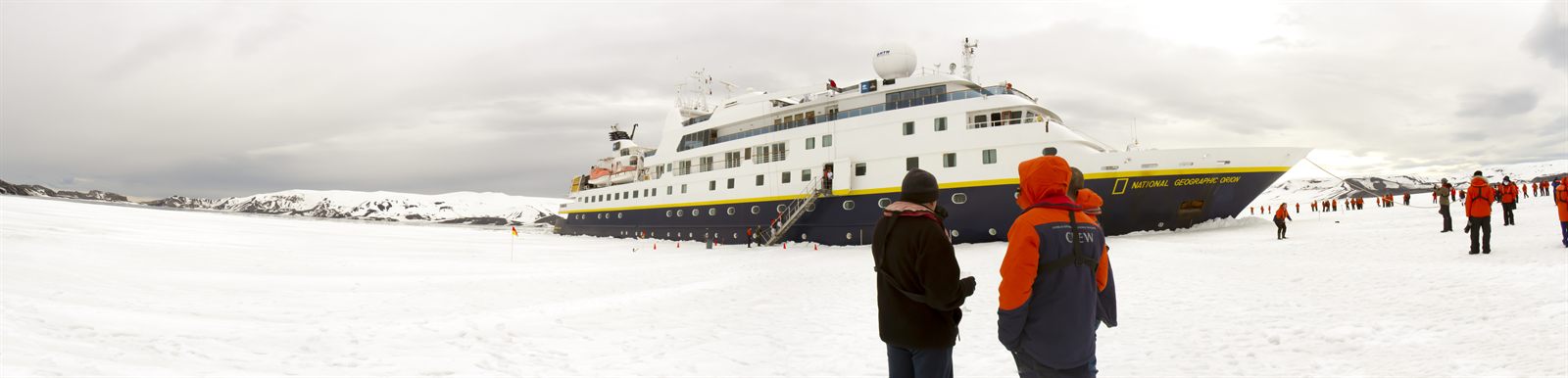
On most cruises, the ship is the destination. In Antarctica, the ship is your base camp, and its size, ice strength and equipment decide how much of the continent you actually experience.
Expedition ships for Antarctica range from vessels carrying around a hundred guests to ships just under the 500-passenger landing limit. The smaller the ship, the more flexible it can be: more landings per day, easier changes of plan, and the chance to reach narrower channels and smaller sites.
What Makes a Ship Polar-Ready
Ice-strengthened hull
Polar expedition ships have hulls built for ice. Many carry a Polar Class rating under international rules, from PC1, the strongest, to PC7. A higher rating allows safer operation in more ice.
A fleet of small boats
Inflatable boats are the workhorse of every landing and cruise along the ice. Count how many a ship carries relative to its guests.
Mudroom and boot wash
A dedicated area for changing into expedition gear and cleaning boots makes biosecurity routines quick and easy.
Expedition team
Naturalists, historians and guides lead landings and give lectures. The ratio of guides to guests shapes the experience.
How Ship Size Plays Out
| Ship size | Landings | Typical feel |
|---|---|---|
| Up to about 200 guests | Everyone ashore together, often two outings a day | Intimate, flexible, strongly expedition-focused |
| About 200–500 guests | Rotations of up to 100 guests at a time | More facilities and comfort, slightly less time ashore each |
| Over 500 guests | None; scenic cruising only | A big-ship cruise with Antarctic scenery from the deck |
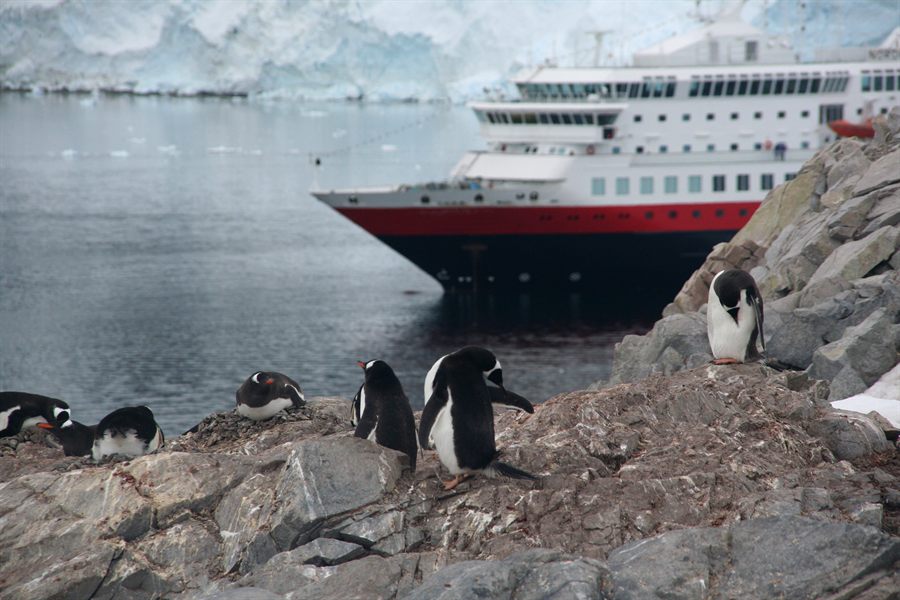
Activities Beyond the Landings
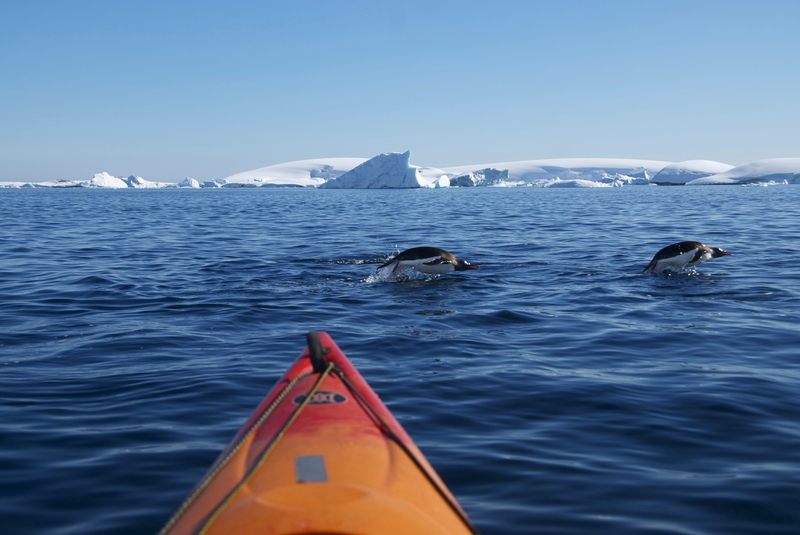
Many expedition lines offer extra activities that bring you closer to the ice. Sea kayaking, overnight camping ashore, snowshoeing and the famous polar plunge are common options, and some luxury ships carry submarines or helicopters. Places are limited and often must be reserved when you book, sometimes with an extra charge.
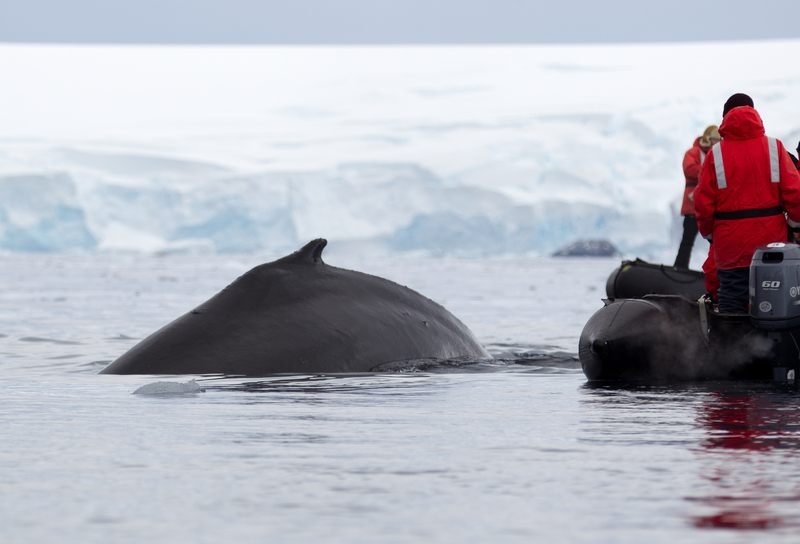
Cruises among the ice in small boats are a highlight in their own right, with close views of icebergs, seals on floes and, with luck, whales alongside.
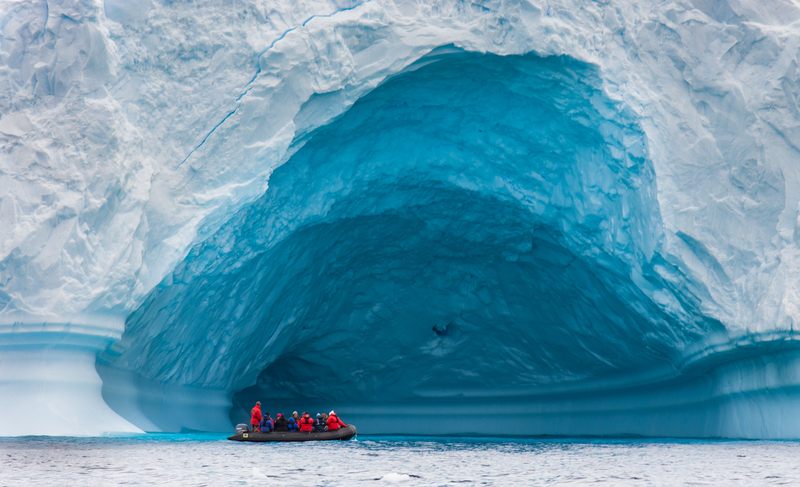
Small-boat cruising
Guided tours among icebergs and along glacier fronts, weather permitting.
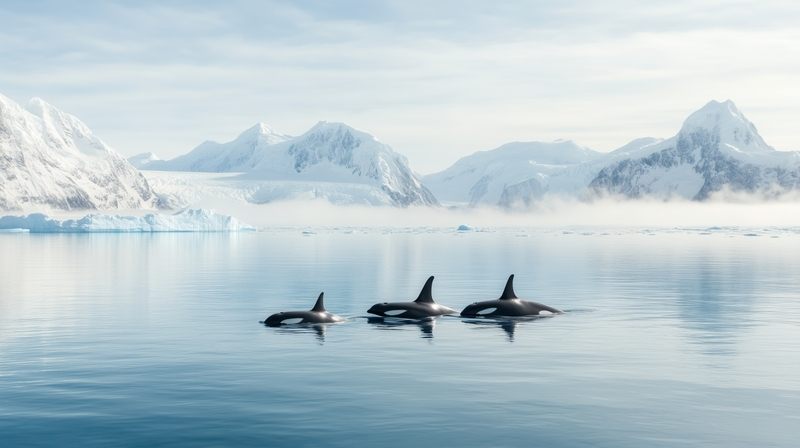
Wildlife encounters
Humpbacks, minke whales and orcas are often seen, especially later in the season.
Lectures and science
Expedition teams explain what you see, and some voyages invite guests into citizen-science projects.
Cabins on an Expedition Ship
Cabins on expedition ships are usually smaller than on large cruise ships, and balconies are more common on newer vessels. A cabin low and near the middle of the ship moves least in rough seas. Our sister sites Cruise Ship Deck Plans and Cruise Upgrades explain how to choose a location and when it is worth paying for a better category.
Compare Expedition Ships
Tell us the size of ship and style of trip you prefer. Our cruise advisors at Mister Cruise will compare polar ships and send free quotes.
Get Expedition Ship Quotes